
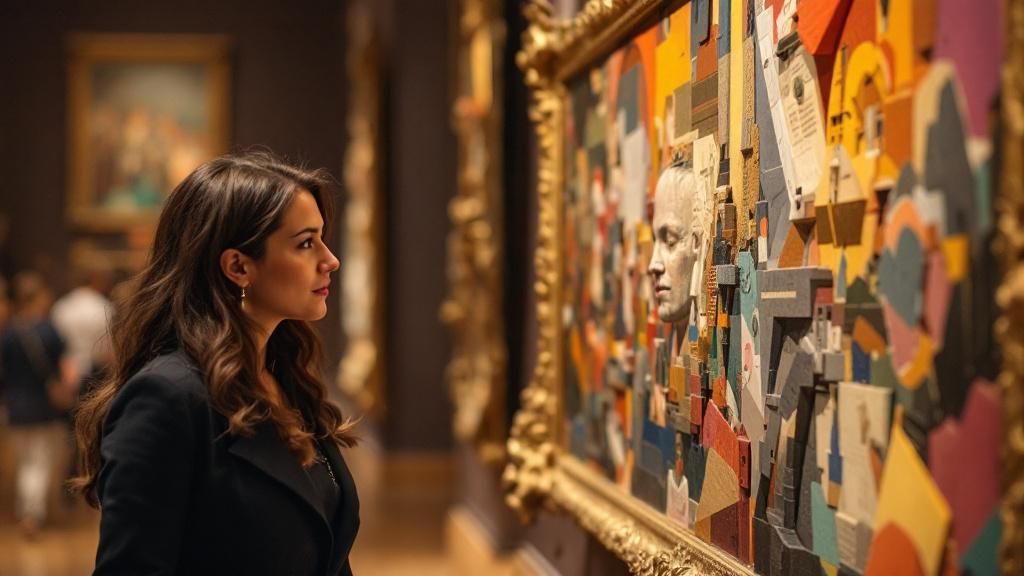
The British Museum has introduced an ambitious new programme to preserve modern creative works for future generations. In a major dedication to contemporary art preservation, the museum has confirmed considerable investment for advanced conservation projects intended to overcome the particular issues presented by current creative materials and processes. This deliberate commitment highlights the organisation’s understanding that contemporary pieces demand specialised care and skill, ensuring that contemporary artistic creations remain intact and available for many years ahead.
Expanding Conservation Expertise
The British Museum’s investment represents a significant step in establishing premier preservation expertise precisely designed to modern artistic works. By creating dedicated research centres and appointing prominent experts in contemporary material analysis, the institution aims to build a extensive information repository confronting the distinctive conservation demands presented by contemporary works. This expansion will permit conservators to employ cutting-edge techniques whilst maintaining strict moral principles, confirming that groundbreaking artistic approaches are safeguarded with the identical careful attention conventionally given to period pieces and valued collections.
Central to this initiative is the engagement of highly experienced conservators with knowledge in emerging artistic mediums and innovative materials. The museum recognises that modern creators often engage with plastics, synthetic compounds, digital components, and mixed media that create unprecedented conservation issues. By forming a multidisciplinary team of specialists, the British Museum will position itself a leading authority in modern art conservation, drawing talented professionals from across the globe and building collaborative relationships with other prestigious institutions committed to protecting modern cultural heritage.
Furthermore, the programme features comprehensive training schemes designed to cultivate the next generation of conservation professionals. Through work-based learning, internship placements, and higher education partnerships with universities, the British Museum will ensure that contemporary art conservation expertise stays current and progressive. This investment in career progression guarantees that future conservators have the expert understanding required to tackle contemporary preservation demands, ultimately strengthening the institution’s capacity to protect and maintain contemporary artworks in perpetuity.
Strategic Initiatives and Budget Distribution
The British Museum’s funding allocation demonstrates a transformative approach to contemporary art conservation, with allocated resources focused on developing advanced centres and appointing skilled professionals. This deliberate funding commitment focuses on research into advanced conservation techniques, confronting the particular issues created by modern materials including digital media, man-made polymers, and mixed-media installations. The resource allocation system ensures enduring advancement of conservation competencies whilst preserving the museum’s commitment to community involvement and educational programmes.
Collaborative Expansion
Joint collaborations form the cornerstone of the British Museum’s conservation framework, promoting knowledge exchange with prominent global organisations and research facilities. Through formal partnerships with universities and specialist conservation organisations, the museum enhances its specialist knowledge and adoption of cutting-edge technologies. These partnerships support collaborative training schemes, enabling conservators to acquire expert-level capabilities in conserving modern art. The cooperative model strengthens the wider conservation field, establishing consistent quality standards across cultural organisations internationally whilst guaranteeing the British Museum stays at the leading edge of contemporary artwork preservation.
The museum has developed formal agreements with established conservation laboratories and university departments, building strong connections for sharing study results and procedural advances. These collaborations go further than conventional institutional limits, including working relationships with artists, technology specialists, and materials researchers. Such cross-disciplinary teamwork ensures preservation methods remain responsive to changing creative methodologies and new materials-related issues. The partnerships also enable access to specialised equipment and specialist knowledge not formerly accessible within individual institutions, substantially improving preservation capability and capacity.
- Joint research projects with major universities and conservation centres
- Information exchange partnerships with international museums and heritage organisations
- Training programmes developed jointly with expert conservation practitioners
- Digital partnerships with digital conservation and archival specialists
- Artist engagement programmes securing modern viewpoints shape conservation methodology
The partnership framework demonstrates the museum’s pledge towards developing sustainable preservation systems serving the whole cultural sector. By cultivating collaborative relationships, the British Museum contributes to creating a comprehensive support network for modern art conservation. These joint initiatives produce significant research findings, extensively shared within research and professional networks, enhancing conservation science. The collaborative approach secures resources are used effectively whilst maximising positive impact across multiple institutions and geographic regions.
Emerging Influence and Industry Leadership
The British Museum’s funding of contemporary art conservation sets a novel precedent for cultural institutions across the United Kingdom and beyond. By developing sophisticated preservation approaches, the museum establishes itself as a leading authority in managing the changing challenges of contemporary art forms. This commitment will undoubtedly shape how fellow museums handle their own conservation practices, promoting a partnership model to safeguarding contemporary works that transcends traditional institutional boundaries and facilitates knowledge sharing within the arts community.
The programme’s ripple effects will extend throughout the international conservation community, setting precedents for best practice in managing current art forms. The British Museum’s expertise and resources will permit smaller institutions and emerging museums to draw upon collaborative knowledge exchange and specialist advice. Moreover, this undertaking demonstrates that investment in conservation infrastructure yields substantial returns, not merely in terms of art conservation but additionally through enhancing institutional reputation and drawing in both funding and talented professionals focused on modern art care.
Looking ahead, the British Museum’s investment is set to revolutionise how society appreciates and safeguards modern creative work. By creating strong conservation frameworks now, the institution ensures that those who follow will inherit a complete archive of twenty-first century creativity. This progressive approach underscores the museum’s mission as keeper of civilisation’s cultural treasures, whilst also fostering a more expansive discussion about our collective responsibility to safeguard the cultural bequest that shapes our contemporary era.
